Think about where you listen
Headphones travel through different kinds of days. They might be company on a train, a way to concentrate at a shared table, or simply the thing you reach for when the house has finally gone quiet. The right pair starts with those moments rather than a long list of features.
Write down the place you listen most often and what tends to interrupt you there. A busy journey may lead you to consider active noise cancellation. A quiet room might make a comfortable fit and clear controls more important. If you regularly switch between a laptop and a phone, check how that process works for the pair you are considering.
Comfort is part of the specification
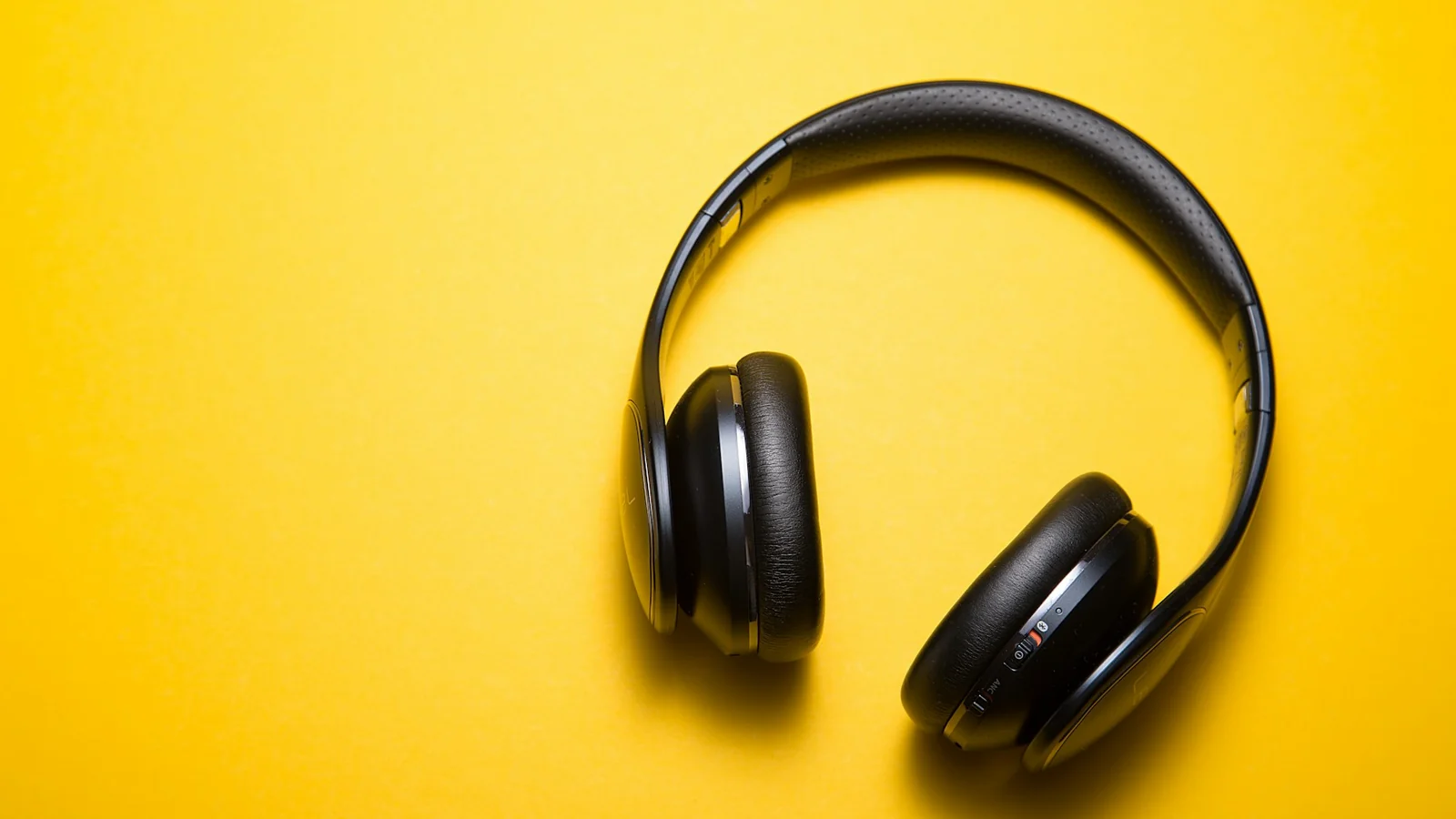
A pair that looks good in a photograph can feel quite different after an hour. Weight, clamping pressure, ear-cup shape and the material against your skin all matter. Where possible, try headphones while wearing the glasses or earrings you normally use. Check the returns conditions if you are ordering without an opportunity to try them.
Think about storage too. A case can be useful if the headphones spend their time in a crowded bag. A folding design may fit into a smaller space, though moving joints introduce another thing to look after. None of these features is automatically better; the question is whether it helps your routine.
Read the details that affect your day
Check published battery information carefully, including any conditions attached to a quoted figure. Features such as noise cancellation can change how long a charge lasts. Look at the charging connector, replacement ear-pad availability and what the manufacturer says about using the headphones with a cable.
Controls deserve attention because you use them repeatedly. A physical button may suit someone who wants a clear action without looking. Touch controls can be convenient but feel different in practice. If calls matter, look for reliable information about the microphone rather than assuming music quality tells you how you will sound in a meeting.
Make a choice you can live with
This guide does not rank products or claim hands-on testing. It shows how an ordinary review can help a reader organise a decision without commercial links or invented scores.
Choose around the moments that matter most to you. A comfortable, dependable pair that fits your day may be more valuable than a feature you rarely turn on. If listening is part of a work routine, consider the rest of your workspace as well. Sometimes a quieter seat and a regular break do as much for your headspace as a new device.
Start with the ordinary version
Begin with the version of headphones that already exists in your life. The most useful change usually starts with a repeated moment rather than an ideal picture. Notice what happens when the day is rushed, when the weather changes, and when your attention is divided. Those ordinary conditions reveal which part of fit, listening, quiet, calls, controls, charging, and safe everyday use needs support. A plan that works only on a perfect day will be difficult to keep, while a modest adjustment that survives a busy day can become part of the way you live.
When you apply this to headphones, keep the decision concrete. Look at the objects, places, timing, and people involved rather than judging the idea in isolation. Ask what would make the next action easier at the point when you normally lose patience or attention. That question keeps fit, listening, quiet, calls, controls, charging, and safe everyday use connected to lived experience. It also gives you a way to review the result later: did the repeated moment become clearer, calmer, or more manageable, and what still needs a different answer?
Name the friction clearly
Write down the small problems that interrupt headphones. You may be losing time, carrying more than necessary, moving objects twice, or postponing something because the first step feels awkward. Naming the friction prevents a vague desire for improvement from becoming a random list of additions. Ask what happens immediately before the problem and what happens after it. That sequence often shows whether the answer is layout, habit, maintenance, or a different choice.
When you apply this to headphones, keep the decision concrete. Look at the objects, places, timing, and people involved rather than judging the idea in isolation. Ask what would make the next action easier at the point when you normally lose patience or attention. That question keeps fit, listening, quiet, calls, controls, charging, and safe everyday use connected to lived experience. It also gives you a way to review the result later: did the repeated moment become clearer, calmer, or more manageable, and what still needs a different answer?
Use a short test before committing
Try a temporary version before making a lasting change. Move an existing object, borrow a suitable item, change the order of a routine, or mark a new position with tape. Live with the test through more than one kind of day. Notice what becomes easier and what new inconvenience appears. A temporary experiment is valuable because it produces evidence from your own context instead of asking you to trust a general promise.
When you apply this to headphones, keep the decision concrete. Look at the objects, places, timing, and people involved rather than judging the idea in isolation. Ask what would make the next action easier at the point when you normally lose patience or attention. That question keeps fit, listening, quiet, calls, controls, charging, and safe everyday use connected to lived experience. It also gives you a way to review the result later: did the repeated moment become clearer, calmer, or more manageable, and what still needs a different answer?
Compare the whole experience
A decision about headphones includes more than appearance or a headline feature. Consider comfort, access, storage, cleaning, repair, energy, noise, time, and the way the choice affects other people who share the space or routine. A solution can be attractive and still be wrong for the hours when you use it most. Compare the complete experience, then decide which trade-off you can accept without creating a new daily problem.
When you apply this to headphones, keep the decision concrete. Look at the objects, places, timing, and people involved rather than judging the idea in isolation. Ask what would make the next action easier at the point when you normally lose patience or attention. That question keeps fit, listening, quiet, calls, controls, charging, and safe everyday use connected to lived experience. It also gives you a way to review the result later: did the repeated moment become clearer, calmer, or more manageable, and what still needs a different answer?
Keep the helpful parts visible
Make the parts that support fit, listening, quiet, calls, controls, charging, and safe everyday use easy to see and easy to reach. Visibility helps a routine begin, but too much on display can create visual noise. Use a small number of clear homes for the things you use often, and keep occasional items together somewhere nearby. The aim is not perfect order. It is a system that makes the next useful action obvious and the reset at the end of the day short.
When you apply this to headphones, keep the decision concrete. Look at the objects, places, timing, and people involved rather than judging the idea in isolation. Ask what would make the next action easier at the point when you normally lose patience or attention. That question keeps fit, listening, quiet, calls, controls, charging, and safe everyday use connected to lived experience. It also gives you a way to review the result later: did the repeated moment become clearer, calmer, or more manageable, and what still needs a different answer?
Plan for care and change
Every choice asks for some care. Read instructions, understand what can be cleaned or repaired, and consider where the item or activity fits when your circumstances change. A simple care routine is often more valuable than a complicated feature. Leave enough flexibility for different seasons, visitors, work patterns, energy levels, and unexpected interruptions. Good design supports change instead of pretending that one arrangement will remain correct forever.
When you apply this to headphones, keep the decision concrete. Look at the objects, places, timing, and people involved rather than judging the idea in isolation. Ask what would make the next action easier at the point when you normally lose patience or attention. That question keeps fit, listening, quiet, calls, controls, charging, and safe everyday use connected to lived experience. It also gives you a way to review the result later: did the repeated moment become clearer, calmer, or more manageable, and what still needs a different answer?
Check the boundaries
A thoughtful approach includes limits. headphones may not solve every problem, and a general suggestion cannot replace specialist advice when health, safety, accessibility, or professional requirements are involved. State what the idea can reasonably do and what it cannot. Clear boundaries make the useful part stronger because readers can see where judgment is still required. They also prevent a pleasing image or confident description from becoming an unsupported promise.
When you apply this to headphones, keep the decision concrete. Look at the objects, places, timing, and people involved rather than judging the idea in isolation. Ask what would make the next action easier at the point when you normally lose patience or attention. That question keeps fit, listening, quiet, calls, controls, charging, and safe everyday use connected to lived experience. It also gives you a way to review the result later: did the repeated moment become clearer, calmer, or more manageable, and what still needs a different answer?
Close the decision gently
Once you have enough evidence, choose a next step and stop collecting alternatives. The next step may be a small rearrangement, a conversation, a repair, a measured comparison, or a decision to wait. Give the change enough time to show whether it works. Keep notes about what you learned, not just what you chose. That record becomes useful the next time headphones presents a similar question.
When you apply this to headphones, keep the decision concrete. Look at the objects, places, timing, and people involved rather than judging the idea in isolation. Ask what would make the next action easier at the point when you normally lose patience or attention. That question keeps fit, listening, quiet, calls, controls, charging, and safe everyday use connected to lived experience. It also gives you a way to review the result later: did the repeated moment become clearer, calmer, or more manageable, and what still needs a different answer?