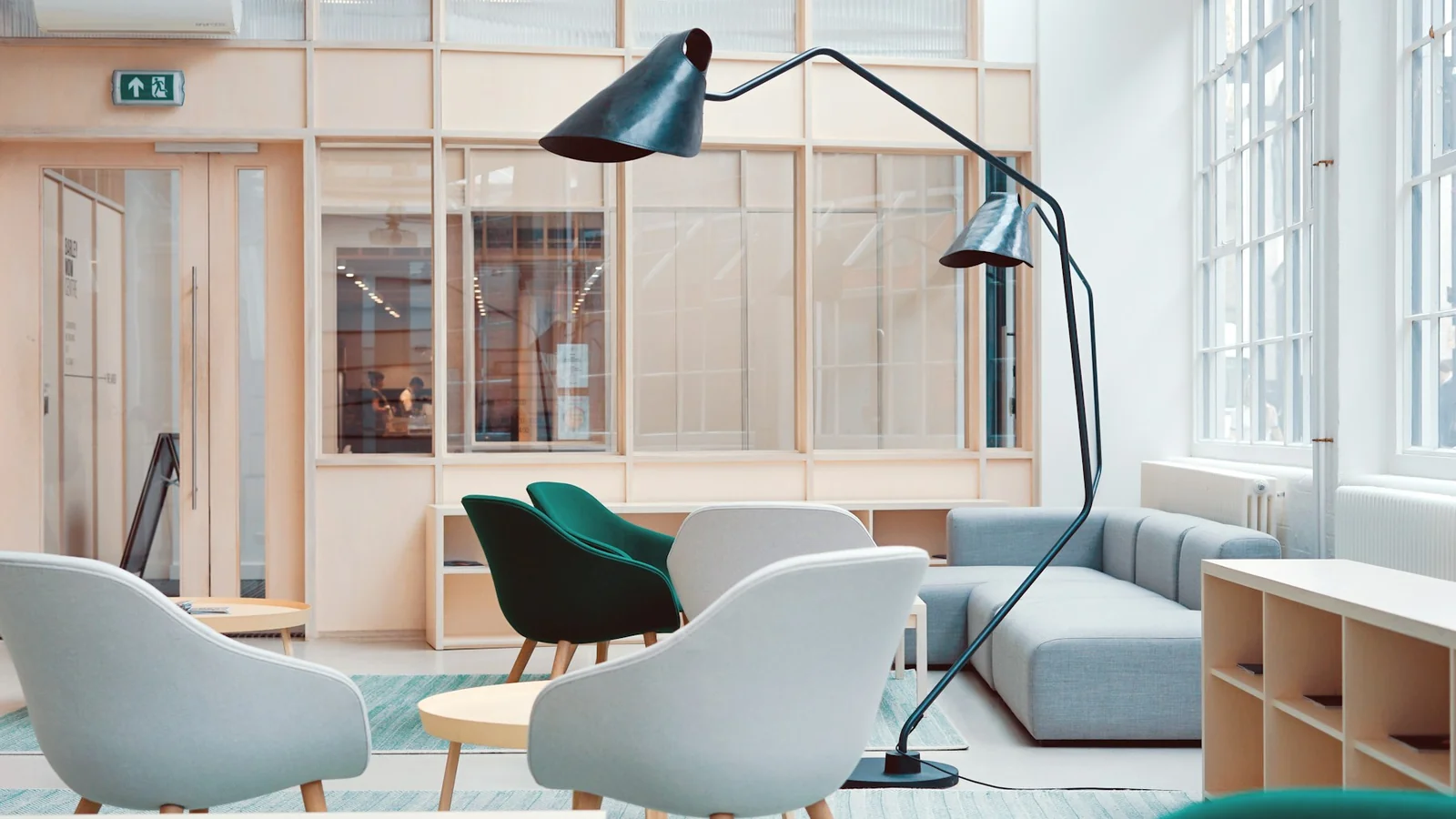
Start with the feeling, not the furniture
There is a particular comfort in a room that has stopped trying to impress you. A chair sits where the afternoon light falls. There is somewhere sensible to put a cup of tea. A blanket is within reach rather than folded away in a cupboard. The room does not look unfinished, but it does look as though someone is allowed to live there.
When we think about improving a home, we often start with the objects we might buy. A new sofa, a different lamp, a better rug. Before making a list, pause and notice what you want the room to feel like at the end of an ordinary day. Quiet, perhaps. Warm. Easy to share. Ready for a good book or a long conversation. Those are useful design instructions.
They also make decisions simpler. If you want a room that encourages reading, a comfortable seat and light in the right place matter more than a perfectly matched set of accessories. If you want somewhere friends can linger, look at where they sit and where they put a drink. A room becomes personal through the things it makes possible.
Give the things you like a little room
You do not need to keep everything in view to make a space feel like yours. A few objects with texture, age or meaning can say more than a crowded collection arranged for a photograph. A print from a trip, a bowl that gets used every day, or a stack of books you are actually reading gives the room a relationship to the life happening inside it.
Try moving something rather than adding something. Bring a lamp closer to a chair. Take a picture off the shelf where it has disappeared behind other things. Clear one small surface completely and see how it feels for a week. Empty space can make the objects you keep easier to notice.
This is also a chance to be honest about care. A fabric that shows every mark may not suit the room where you eat, work and spend time with pets. A shelf that is difficult to reach may be better for occasional objects than daily essentials. The right choice is the one that fits your life comfortably.
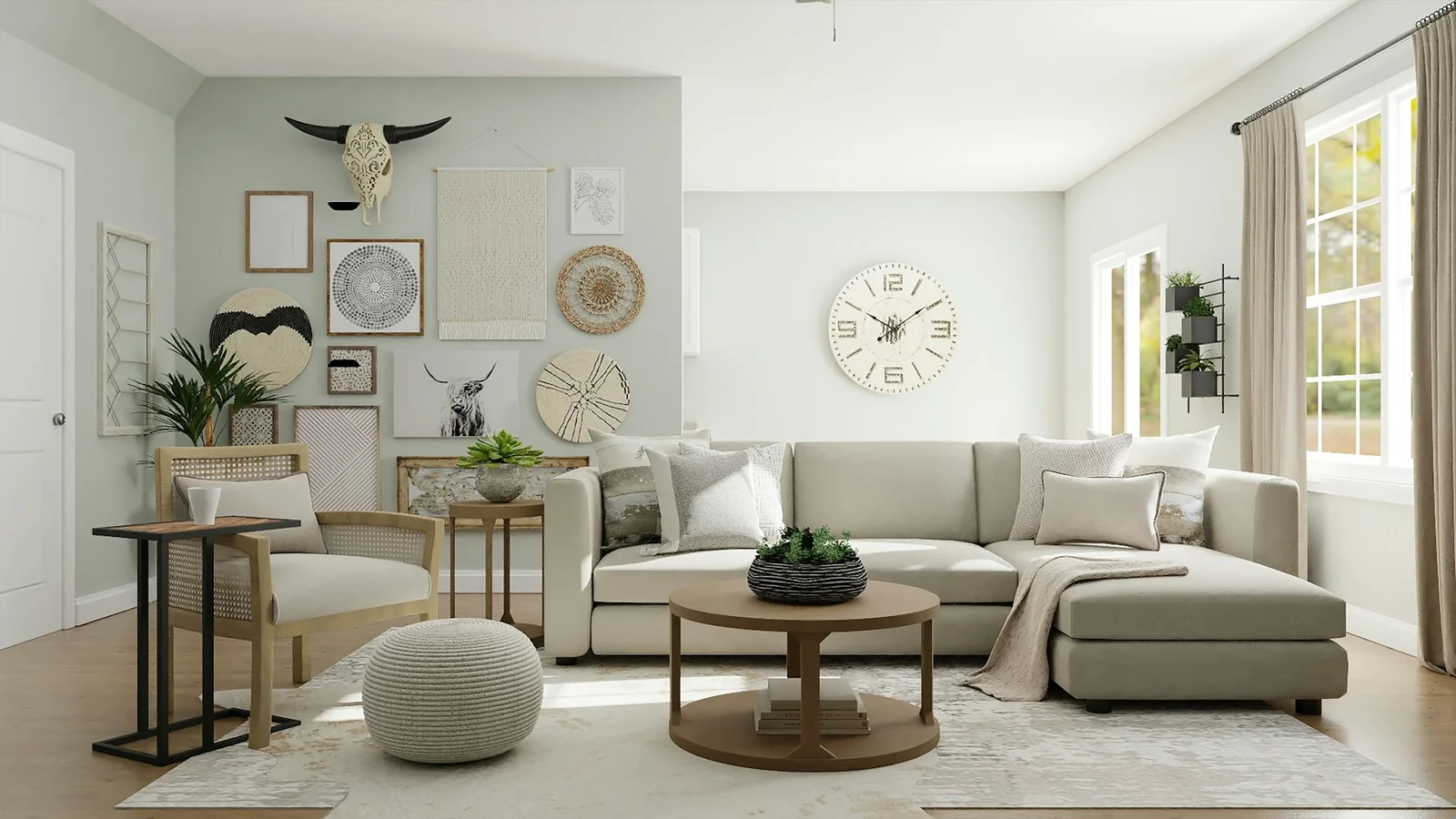
Work with the light you have
A room changes through the day. Notice which corner feels inviting in the morning and where the light lands in the evening. That might suggest a better place for a favourite chair without changing any furniture. Lamps can create different places to settle into rather than lighting every surface equally.
Before buying a new light, move an existing one. Try it beside the seat you use, then across the room. Look at reflections on a television or monitor, the reach of the cable and whether a table becomes awkward to use. The useful position is the one that works when you are sitting down, not only when you are looking through the doorway.
Softness can come from materials as much as colour. A textured cushion, a natural-fibre basket or a curtain that sits well in the room can make a restrained palette feel more layered. Choose things you enjoy touching and looking after. A tactile room does not need a lot of objects.
Let the room keep becoming yours
A home is allowed to change slowly. You might live with an empty wall for a while, use a chair from another room, or wait until you find a lamp you genuinely like. That time is useful. It tells you which needs are real and which ideas looked better somewhere else.
If you are planning a larger purchase, measure the space and think about delivery, cleaning, repair and movement through the room. A beautiful piece should still allow doors to open and people to move comfortably. A thoughtful room is not simply a collection of thoughtful objects; it is the way those objects work together.
For a corner that also has to serve as an office, our home workspace guide looks at light, storage and the edges of the working day. Start with one useful change. Give it time. The best rooms usually feel collected over a life rather than completed in an afternoon.
Start with the ordinary version
Begin with the version of rooms that already exists in your life. The most useful change usually starts with a repeated moment rather than an ideal picture. Notice what happens when the day is rushed, when the weather changes, and when your attention is divided. Those ordinary conditions reveal which part of layout, light, sound, storage, materials, movement, and the feeling of returning home needs support. A plan that works only on a perfect day will be difficult to keep, while a modest adjustment that survives a busy day can become part of the way you live.
When you apply this to rooms, keep the decision concrete. Look at the objects, places, timing, and people involved rather than judging the idea in isolation. Ask what would make the next action easier at the point when you normally lose patience or attention. That question keeps layout, light, sound, storage, materials, movement, and the feeling of returning home connected to lived experience. It also gives you a way to review the result later: did the repeated moment become clearer, calmer, or more manageable, and what still needs a different answer?
Name the friction clearly
Write down the small problems that interrupt rooms. You may be losing time, carrying more than necessary, moving objects twice, or postponing something because the first step feels awkward. Naming the friction prevents a vague desire for improvement from becoming a random list of additions. Ask what happens immediately before the problem and what happens after it. That sequence often shows whether the answer is layout, habit, maintenance, or a different choice.
When you apply this to rooms, keep the decision concrete. Look at the objects, places, timing, and people involved rather than judging the idea in isolation. Ask what would make the next action easier at the point when you normally lose patience or attention. That question keeps layout, light, sound, storage, materials, movement, and the feeling of returning home connected to lived experience. It also gives you a way to review the result later: did the repeated moment become clearer, calmer, or more manageable, and what still needs a different answer?
Use a short test before committing
Try a temporary version before making a lasting change. Move an existing object, borrow a suitable item, change the order of a routine, or mark a new position with tape. Live with the test through more than one kind of day. Notice what becomes easier and what new inconvenience appears. A temporary experiment is valuable because it produces evidence from your own context instead of asking you to trust a general promise.
When you apply this to rooms, keep the decision concrete. Look at the objects, places, timing, and people involved rather than judging the idea in isolation. Ask what would make the next action easier at the point when you normally lose patience or attention. That question keeps layout, light, sound, storage, materials, movement, and the feeling of returning home connected to lived experience. It also gives you a way to review the result later: did the repeated moment become clearer, calmer, or more manageable, and what still needs a different answer?
Compare the whole experience
A decision about rooms includes more than appearance or a headline feature. Consider comfort, access, storage, cleaning, repair, energy, noise, time, and the way the choice affects other people who share the space or routine. A solution can be attractive and still be wrong for the hours when you use it most. Compare the complete experience, then decide which trade-off you can accept without creating a new daily problem.
When you apply this to rooms, keep the decision concrete. Look at the objects, places, timing, and people involved rather than judging the idea in isolation. Ask what would make the next action easier at the point when you normally lose patience or attention. That question keeps layout, light, sound, storage, materials, movement, and the feeling of returning home connected to lived experience. It also gives you a way to review the result later: did the repeated moment become clearer, calmer, or more manageable, and what still needs a different answer?
Keep the helpful parts visible
Make the parts that support layout, light, sound, storage, materials, movement, and the feeling of returning home easy to see and easy to reach. Visibility helps a routine begin, but too much on display can create visual noise. Use a small number of clear homes for the things you use often, and keep occasional items together somewhere nearby. The aim is not perfect order. It is a system that makes the next useful action obvious and the reset at the end of the day short.
When you apply this to rooms, keep the decision concrete. Look at the objects, places, timing, and people involved rather than judging the idea in isolation. Ask what would make the next action easier at the point when you normally lose patience or attention. That question keeps layout, light, sound, storage, materials, movement, and the feeling of returning home connected to lived experience. It also gives you a way to review the result later: did the repeated moment become clearer, calmer, or more manageable, and what still needs a different answer?
Plan for care and change
Every choice asks for some care. Read instructions, understand what can be cleaned or repaired, and consider where the item or activity fits when your circumstances change. A simple care routine is often more valuable than a complicated feature. Leave enough flexibility for different seasons, visitors, work patterns, energy levels, and unexpected interruptions. Good design supports change instead of pretending that one arrangement will remain correct forever.
When you apply this to rooms, keep the decision concrete. Look at the objects, places, timing, and people involved rather than judging the idea in isolation. Ask what would make the next action easier at the point when you normally lose patience or attention. That question keeps layout, light, sound, storage, materials, movement, and the feeling of returning home connected to lived experience. It also gives you a way to review the result later: did the repeated moment become clearer, calmer, or more manageable, and what still needs a different answer?
Check the boundaries
A thoughtful approach includes limits. rooms may not solve every problem, and a general suggestion cannot replace specialist advice when health, safety, accessibility, or professional requirements are involved. State what the idea can reasonably do and what it cannot. Clear boundaries make the useful part stronger because readers can see where judgment is still required. They also prevent a pleasing image or confident description from becoming an unsupported promise.
When you apply this to rooms, keep the decision concrete. Look at the objects, places, timing, and people involved rather than judging the idea in isolation. Ask what would make the next action easier at the point when you normally lose patience or attention. That question keeps layout, light, sound, storage, materials, movement, and the feeling of returning home connected to lived experience. It also gives you a way to review the result later: did the repeated moment become clearer, calmer, or more manageable, and what still needs a different answer?
Close the decision gently
Once you have enough evidence, choose a next step and stop collecting alternatives. The next step may be a small rearrangement, a conversation, a repair, a measured comparison, or a decision to wait. Give the change enough time to show whether it works. Keep notes about what you learned, not just what you chose. That record becomes useful the next time rooms presents a similar question.
When you apply this to rooms, keep the decision concrete. Look at the objects, places, timing, and people involved rather than judging the idea in isolation. Ask what would make the next action easier at the point when you normally lose patience or attention. That question keeps layout, light, sound, storage, materials, movement, and the feeling of returning home connected to lived experience. It also gives you a way to review the result later: did the repeated moment become clearer, calmer, or more manageable, and what still needs a different answer?